Botrytis cinerea is a fungal pathogen commonly referred to as gray mold. It affects a wide range of greenhouse crops, including:
- Tomatoes
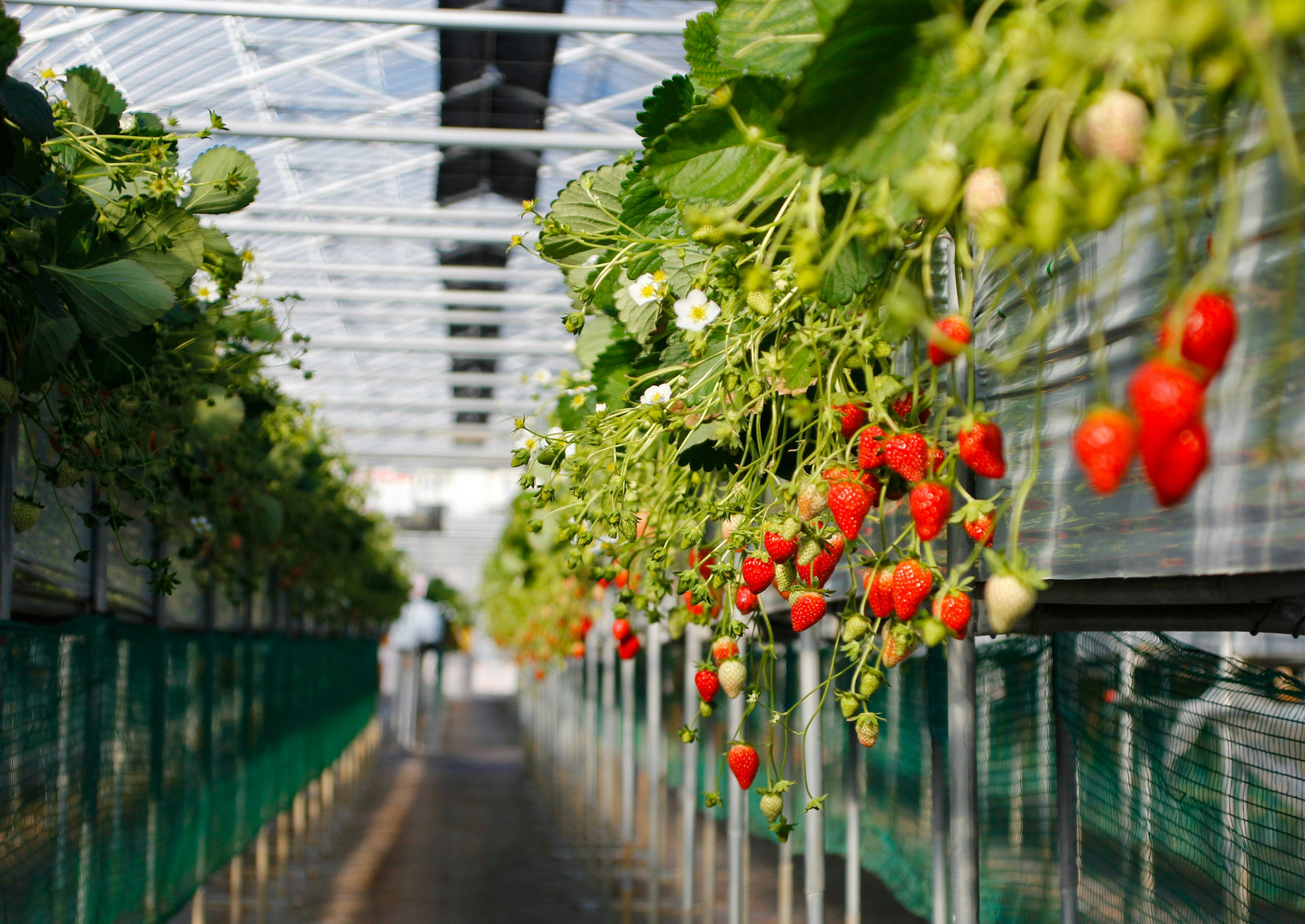
- Strawberries
- Cucumbers
- Ornamental plants
- Other soft-fruited and high-value crops
Under favorable conditions, the disease can develop quickly and cause significant yield losses. The characteristic gray, fuzzy growth is often easy to recognize, but visual recognition is also one of the limitations of traditional scouting.
Greenhouses create highly controlled growing environments, but the same conditions that support healthy plant growth can also create an ideal environment for fungal diseases.
Botrytis thrives particularly well under high humidity and moderate temperatures, typically around 15-20°C. When moisture remains trapped around plant surfaces, the probability of infection increases significantly. Several factors can contribute:
- High relative humidity
- Poor ventilation
- Water remaining on leaves and fruit
- Dense plant spacing
- Wounds or damaged plant tissue
Botrytis can spread through several pathways inside a greenhouse.
“We needed forecasts we could actually trust — not estimates we had to constantly adjust.”
Anne
Head grower, Landgard
Landgard
“Where before we were working with uncertain estimates, we now have reliable forecasts that guide every decision. A specialist scout costs €1,000 a day and can't be in every row. The robot is. That's the only maths that matters.”